Bulk Papaya Enzyme for Skincare Factory Formulation
Papaya enzyme, commonly selected as papain for cosmetic exfoliant systems, gives skincare manufacturers a way to build brightening, smoothing, and refinement claims without the abrasive feel of traditional scrub particles. For a factory chemist, the value is not simply that the ingredient is “natural” or recognizable. The value is controlled proteolytic exfoliation, predictable handling, and compatibility with the format you need to scale.
Corneora supplies papaya enzyme for cosmetic manufacturing teams developing anhydrous powder blends, rinse-off masks, cleanser powders, spa-use professional treatments, and hybrid exfoliant systems where skin-feel, pH behavior, and documentation matter as much as label appeal.
As an enzyme supplier for cosmetic exfoliant manufacturing, Corneora supports procurement, R&D, and production teams with bulk supply, formulation guidance, and batch documentation built for factory decision-making.
Papaya Enzyme for Factory-Scale Exfoliant Systems
Papaya enzyme is used in skincare formulas to help loosen and remove dull surface proteins from the stratum corneum. In finished products, that translates into a smoother after-feel, improved luminosity, and a more refined skin surface impression.
For cosmetic factories, papain is especially useful where the brief calls for:
- Gentle-feeling enzymatic exfoliation rather than gritty mechanical abrasion
- A cleaner rinse profile in masks, powders, and wash-off products
- Spa-positioned sensory performance with a technical mechanism
- Exfoliation consistency across production batches
- A recognizable botanical story supported by disciplined raw material control
Corneora’s papaya enzyme offering is intended for B2B manufacturing use, where performance, handling, and documentation must align with formulation and production realities.
Suitable Product Formats
Anhydrous Powder Blends
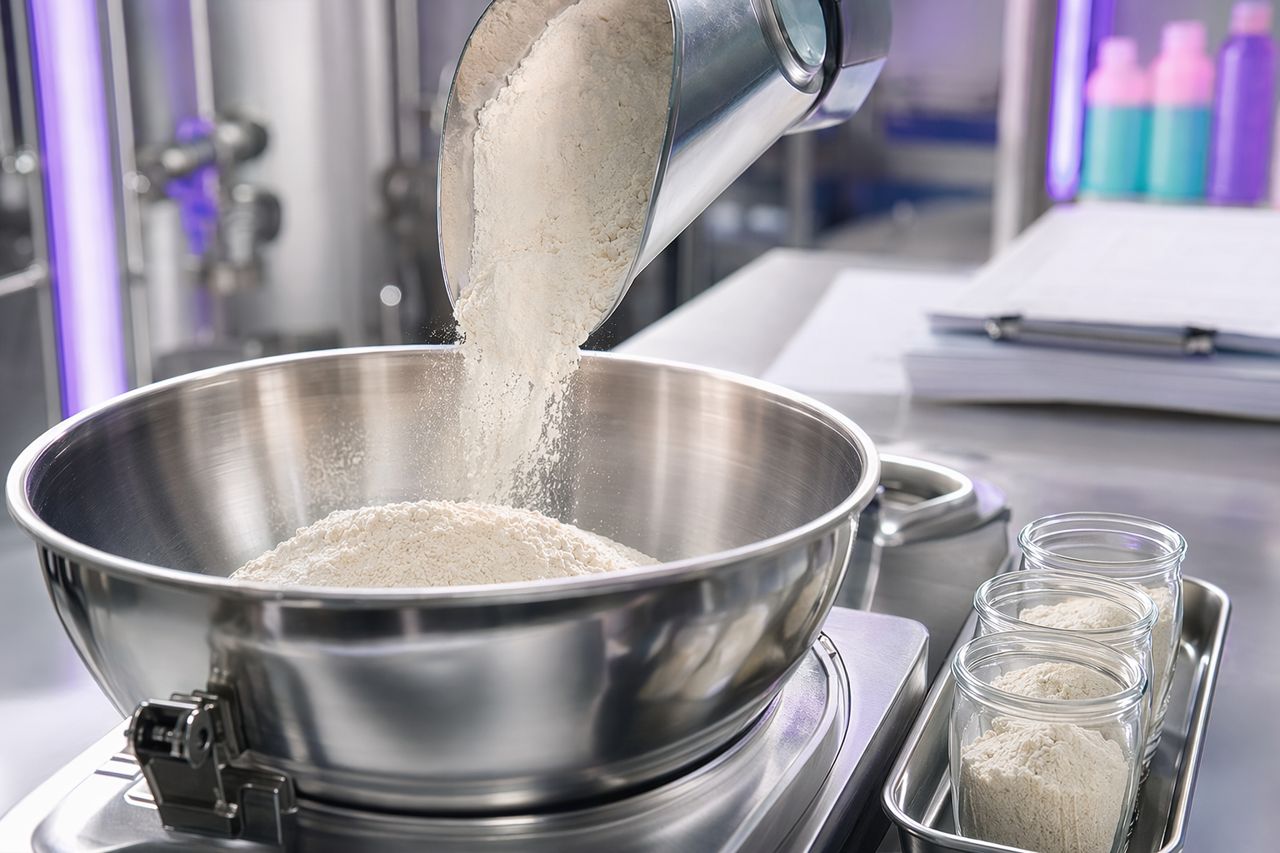
Papaya enzyme is often most stable in low-moisture systems. Anhydrous powder blends allow formulators to keep the enzyme dormant until the consumer or therapist activates the product with water.
Useful applications include:
- Dry exfoliating cleansers
- Water-activated facial polish powders
- Powder-to-paste masks
- Enzyme cleansing sachets
- Premium spa treatment powders
For powder systems, the key factory considerations are moisture control, blend uniformity, particle distribution, and protection from unnecessary heat exposure during processing and storage.
Rinse-Off Masks
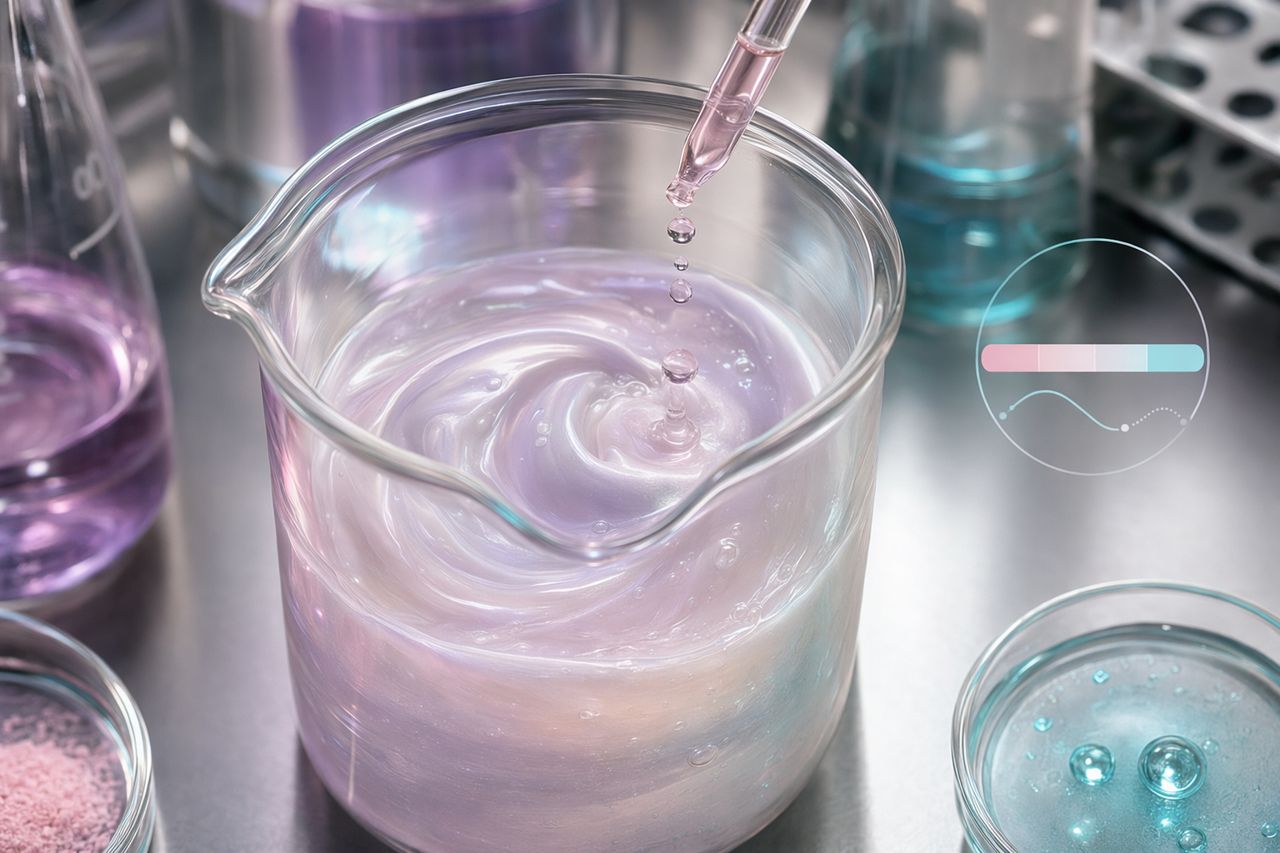
Papaya enzyme can be incorporated into rinse-off mask concepts where contact time is controlled and the formula is removed after use. This format allows a clear sensorial payoff: a creamy or gelled application, a short wait time, and a smooth rinsed finish.
Formulation teams should evaluate:
- pH positioning for the desired activity profile
- Water phase exposure and expected shelf-life behavior
- Compatibility with clays, gums, humectants, botanical powders, and surfactants
- Heat history during manufacturing
- Sensory balance between exfoliation, slip, and after-rinse softness
Cleanser Powders and Hybrid Cleansers
In cleanser powders, papaya enzyme can add a controlled exfoliating benefit without relying entirely on acid systems or physical scrubbing agents. The result can feel softer, more refined, and more skin-forward.
Common development goals include:
- Fine-powder dispersion without harsh drag
- Rapid wetting and smooth paste formation
- Mild-feeling rinse behavior
- Low-grit exfoliation perception
- Consistent consumer activation at the point of use
Professional Spa-Use Products
Professional-use enzyme exfoliants require repeatable performance across treatment rooms, therapists, and client skin types. Papaya enzyme can support controlled exfoliation in protocols where contact time, application thickness, and removal method are standardized.
Corneora supports spa and professional product manufacturers with sourcing suited to bulk production, not hobby-scale blending.
Formulation Considerations for Papain in Skincare Manufacturing
pH Window and Exfoliation Character
Papain’s exfoliation behavior is influenced by the pH environment of the finished formula or activated product. The goal is to place the system in a practical pH window that supports the intended activity profile while respecting skin compatibility, preservative strategy, sensory feel, and packaging requirements.
In development, evaluate the enzyme in the actual finished base rather than only in water. Surfactants, salts, humectants, powders, fragrance systems, chelators, and botanical extracts can all influence perceived performance.
Water Exposure and Stability
Because enzymes are sensitive functional ingredients, stability strategy matters. Powder and anhydrous formats are often preferred when long shelf-life and robust handling are priorities. Water-containing products require more careful design around pH, preservative system, processing temperature, and expected storage conditions.
For factory teams, the practical question is not just “Does it work?” but “Does it keep working consistently through production, filling, storage, and consumer use?”
Heat and Process Timing
Papaya enzyme should be treated as a performance ingredient, not a commodity filler. Avoid unnecessary heat exposure and aggressive processing conditions that may compromise function. When used in emulsions, gels, or mask bases, process timing and cool-down addition strategy should be evaluated during pilot work.
Recommended production focus areas include:
- Addition stage and temperature exposure
- Mixing shear and dispersion time
- Moisture control during powder blending
- Hold time before filling
- Cleaning validation for enzyme-containing production lines
- Packaging protection from humidity and heat
Skin-Feel and Consumer Perception
Papaya enzyme is often selected because it can deliver a refined, smooth, non-scratch exfoliation story. However, final skin-feel depends on the full system: base texture, powders, surfactants, oils, emollients, film formers, and rinse behavior.
For a luminous and controlled user experience, build around:
- Soft slip during application
- Low drag during massage
- Clean rinse without squeakiness
- Comfortable post-rinse skin feel
- Visible texture refinement over repeated use
Why Cosmetic Manufacturers Source Papaya Enzyme from Corneora
Corneora works with cosmetic manufacturing teams that need more than a botanical ingredient name on a formula sheet. We support the practical sourcing needs of R&D, purchasing, QA, and production.
Bulk Supply for Production Planning
We supply papaya enzyme for factory-scale skincare development and production, supporting pilot batches, production scale-up, and ongoing replenishment planning.
Documentation for B2B Review
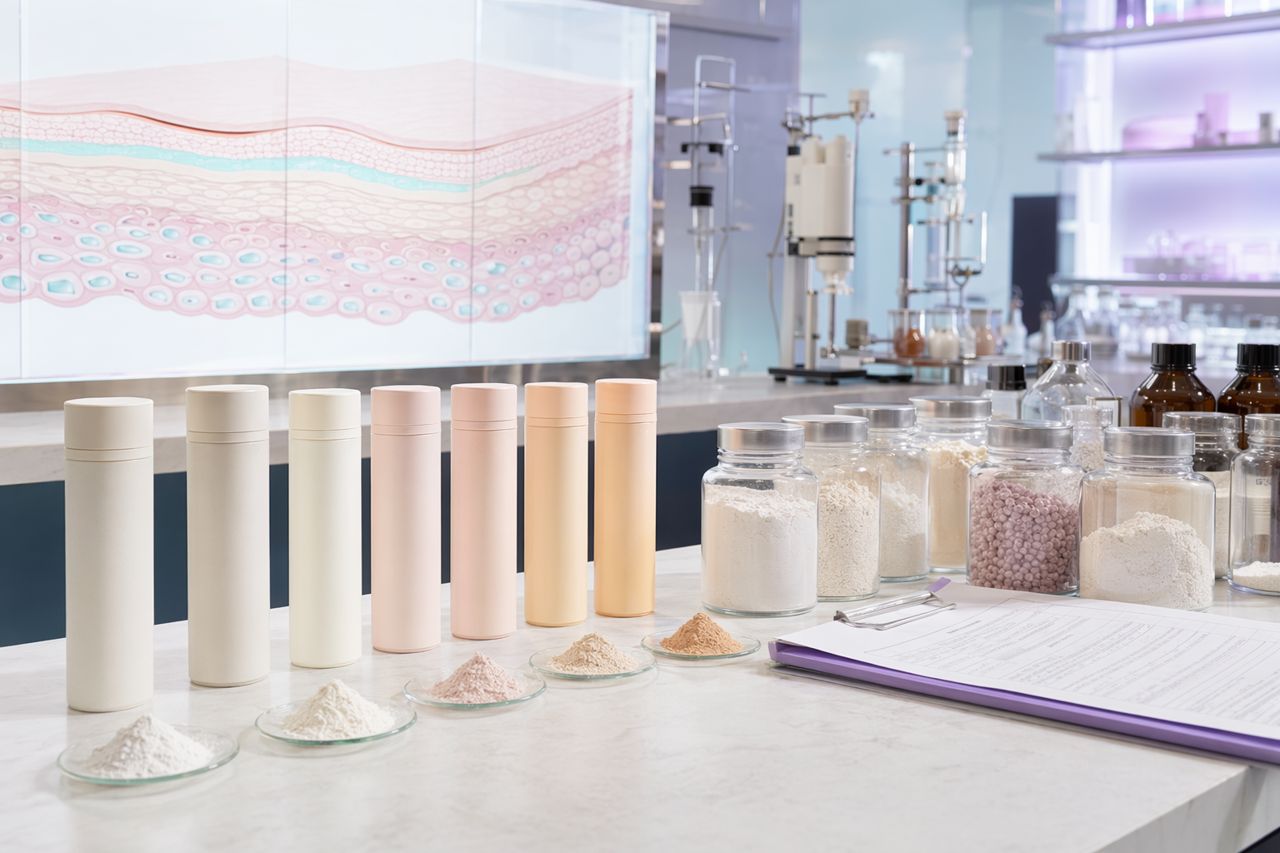
Available documentation can support raw material approval workflows, specification review, purchasing qualification, and finished-product development records.
Typical documentation support may include:
- Product specification
- Certificate of analysis by lot
- Safety data documentation
- Allergen and regulatory statements where applicable
- Origin and manufacturing information where available
- Packaging and storage guidance
Formulation-Literate Support
Our team speaks with formulators in practical terms: pH window, moisture exposure, stability expectations, process timing, exfoliation consistency, and product format. That helps shorten the gap between ingredient sampling and production-ready decision-making.
Best-Fit Buyers
Corneora is a practical fit for:
- Skincare contract manufacturers
- Cosmetic R&D labs
- Private label skincare factories
- Spa product manufacturers
- Powder cleanser and mask brands
- Exfoliant system developers
- Procurement teams sourcing bulk cosmetic enzymes
If your team is developing an enzymatic exfoliant for commercial launch, Corneora can help you evaluate papaya enzyme as a production ingredient with the right balance of sensorial elegance and manufacturing control.
Request a Quote
Share your target product format, estimated annual volume, desired pack size, destination country, and any documentation requirements. Corneora will respond with sourcing options for bulk papaya enzyme suited to cosmetic exfoliant manufacturing.