Enzyme ingredients for controlled cosmetic exfoliation
Corneora supports cosmetics manufacturers developing enzyme exfoliants that must feel elegant, process reliably, and arrive with the documentation factory teams need. We help formulation chemists and purchasing teams evaluate papain, bromelain, lipase, and custom enzyme ingredient options for rinse-off and leave-on cosmetic formats where performance, stability, and sensory finish all matter.
If you are looking for an enzyme supplier for cosmetic exfoliant manufacturing, Corneora is built for direct B2B conversations: formulation intent, batch size, pH window, processing constraints, packaging format, and commercial supply expectations.
Built for cosmetic factory realities
Enzyme exfoliation is not just an ingredient choice. It is a system decision. The enzyme must work within the formula architecture, tolerate the manufacturing route, remain compatible with the base, and deliver a consistent consumer experience at scale.
Corneora helps your team assess:
- Target format: dry powder exfoliants, wash-off masks, enzyme cleansers, gel masks, cream masks, and hybrid exfoliating systems
- Enzyme selection: papain, bromelain, lipase, and blended enzyme concepts matched to cosmetic positioning
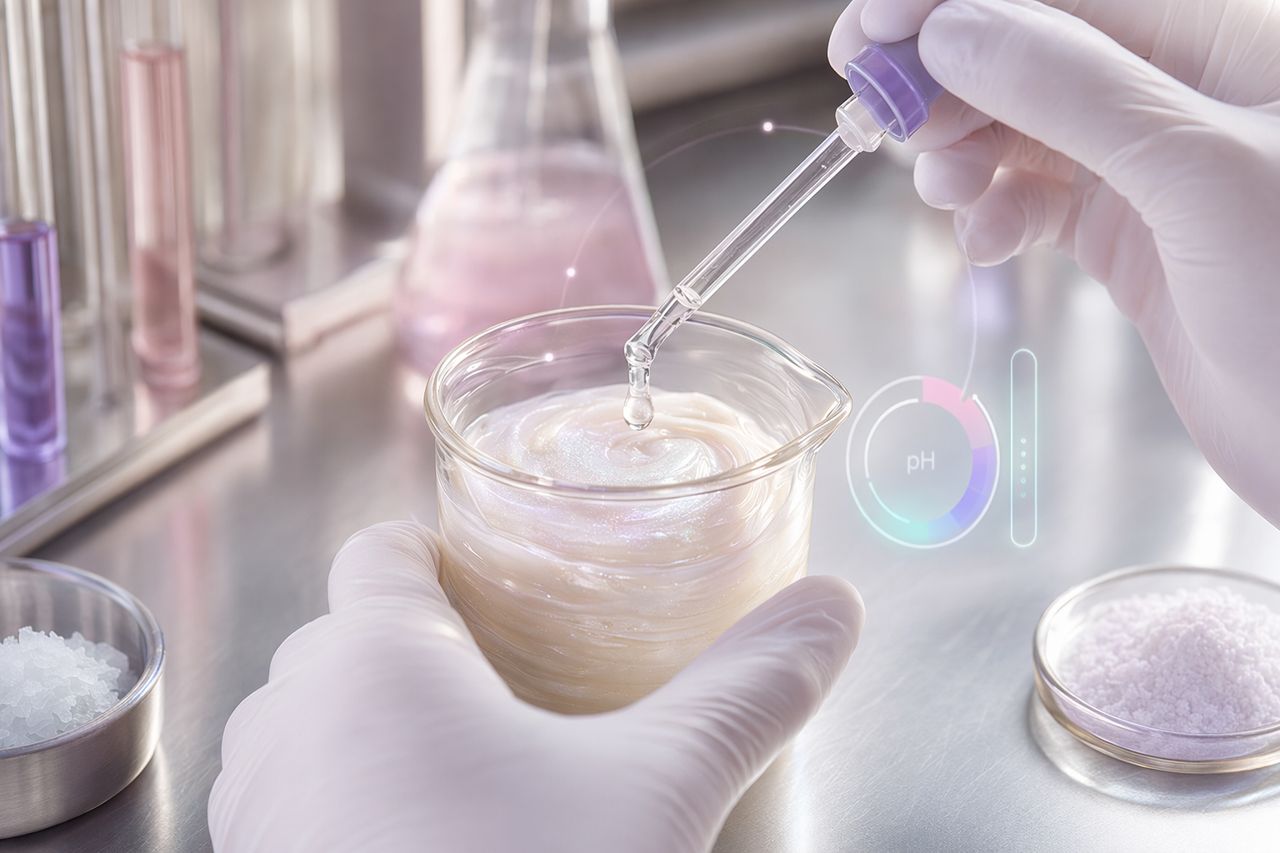
- pH window: practical formulation ranges for controlled performance and finished-product comfort
- Processing stability: heat exposure, hydration timing, mixing sequence, and hold-time considerations
- Skin-feel: soft polish, cushion, slip, rinse profile, and after-feel without abrasive harshness
- Commercial readiness: batch-to-batch consistency, packaging suitability, lead time planning, and documentation review
Why enzyme exfoliants need formulation discipline
A good enzyme exfoliant should feel refined, not aggressive. The customer notices smoothness, radiance, and polish; your production team notices dispersion, dust control, clumping risk, viscosity drift, and how the active behaves after scale-up.
We help identify the right ingredient form and implementation strategy so your product can move from lab bench to pilot batch with fewer surprises.
Papain for soft proteolytic exfoliation
Papain is widely used in enzyme exfoliating powders, masks, and cleansers where brands want a recognizable botanical-derived ingredient with a smooth skin-polishing story. Corneora supports papain selection based on desired exfoliation intensity, format compatibility, and production handling.
Common uses include:
- Powder-to-paste enzyme masks
- Water-activated exfoliating cleansers
- Rinse-off treatment masks
- Spa and professional-use cosmetic concepts
Bromelain for luminous mask and cleanser concepts
Bromelain is often chosen for fruit-enzyme positioning and a polished, fresh-skin sensorial profile. It can support cosmetic concepts focused on glow, clarity, and gentle refinement when formulated within an appropriate pH and hydration strategy.
Corneora helps evaluate bromelain for:
- Enzyme mask systems
- Dual-enzyme exfoliant blends
- Cleansing powders
- Premium botanical exfoliation lines
Lipase for specialty cosmetic systems
Lipase can be used in selected cosmetic concepts where oil, sebum, or lipid-related positioning is part of the product architecture. It requires careful formula review, especially around emulsifiers, oils, surfactants, and fragrance systems.
We support lipase evaluation for:
- Specialty cleansing systems
- Clarifying cosmetic concepts
- Hybrid enzyme formulas
- Targeted product development briefs
Practical support from brief to commercial batch
Corneora works with cosmetics manufacturers that need more than a catalog ingredient. We help your team frame the technical decision before purchase, so the enzyme aligns with your process and product claim language.
1. Formulation fit
Tell us your intended format, pH target, base type, water exposure, heat exposure, and desired exfoliation feel. We help narrow suitable enzyme options and identify formulation risks early.
2. Stability planning
Enzymes respond to moisture, temperature, pH, and certain formula components. We help you think through dry versus hydrated formats, activation timing, preservation strategy, and packaging implications.
3. Scale-up behavior
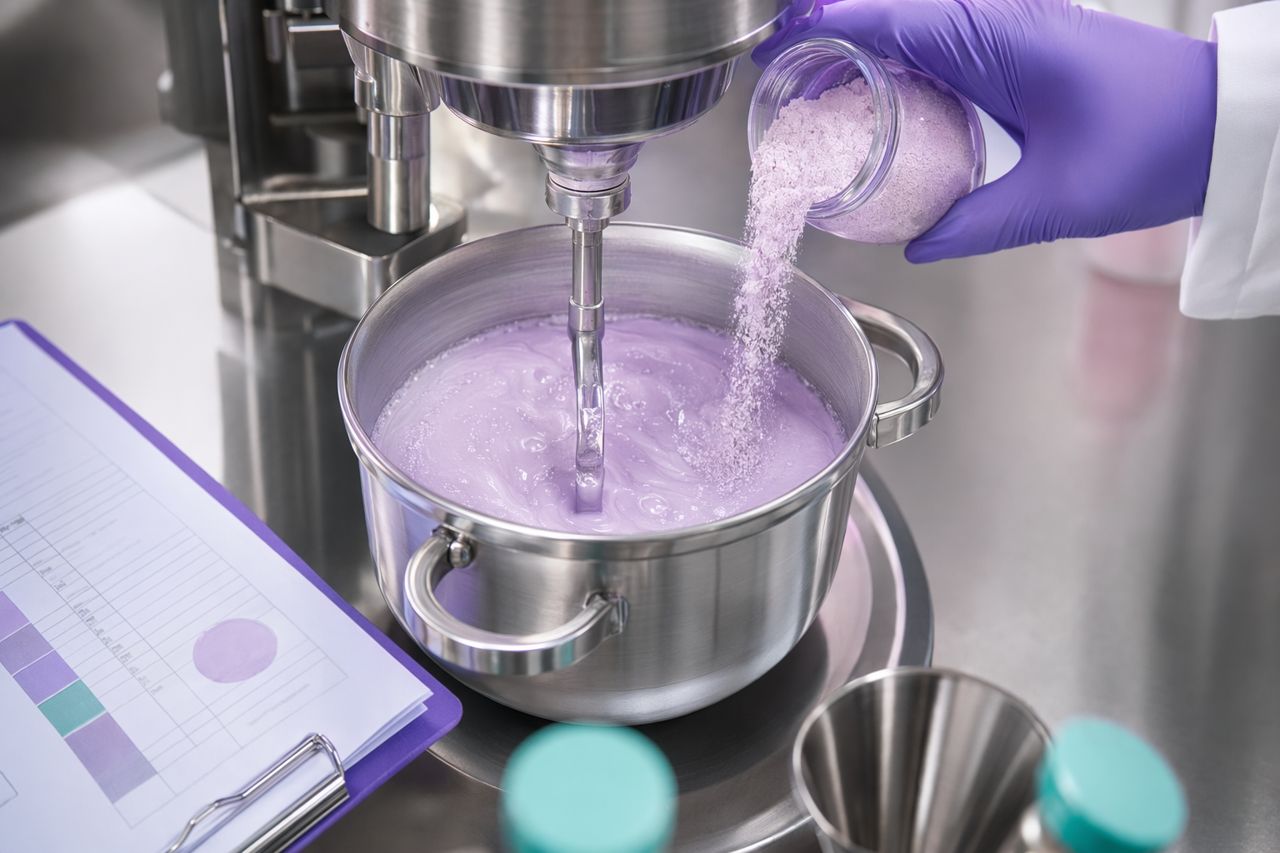
Bench success does not guarantee factory success. We discuss addition sequence, mixing energy, dispersion, dust control, hydration uniformity, and batch consistency so your pilot run has a clearer path.
4. Documentation for cosmetic manufacturing
Available documentation may include specification sheets, safety documentation, technical data, composition information, allergen or origin statements, and quality documents relevant to your purchasing and regulatory review process.
Formulation considerations for enzyme exfoliant products
pH window and comfort
The pH of the finished product influences enzyme performance, formula stability, and user perception. We help you balance functional intent with skin-forward sensorial expectations.
Water activity and activation timing
Dry systems often protect enzyme performance until consumer activation. Hydrated systems require more careful stability design. The right route depends on product type, packaging, preservative strategy, and shelf-life expectations.
Texture and sensory finish
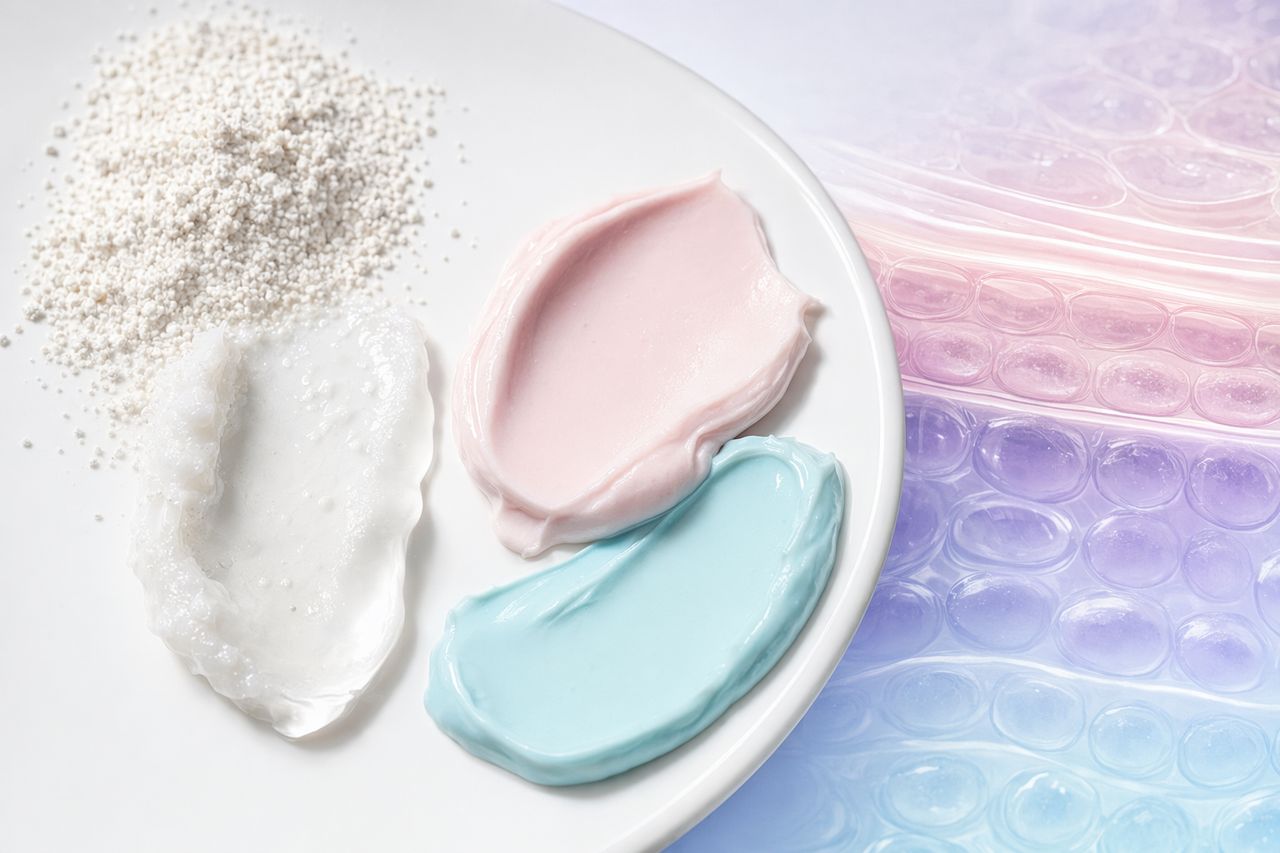
A premium enzyme exfoliant should not feel medicinal or rough. We help align enzyme selection with the desired texture: silky powder, creamy mask, cushion gel, soft rinse-off paste, or polished cleansing foam.
Compatibility with cosmetic ingredients
Surfactants, chelators, preservatives, solvents, botanical extracts, acids, salts, and fragrance components can influence enzyme behavior. Corneora helps flag likely compatibility issues before they become production delays.
Who we serve
Corneora is built for B2B cosmetic manufacturing teams, including:
- Contract manufacturers developing private-label enzyme masks or cleansers
- Formulation labs building exfoliation platforms
- Brand-owned factories scaling premium skincare concepts
- Purchasing teams qualifying enzyme ingredient supply
- R&D teams comparing papain, bromelain, lipase, or blended enzyme systems
Request a quote
Ready to evaluate an enzyme ingredient for your cosmetic exfoliant line? Share your product format, target pH, batch size, market region, preferred documentation, and timeline through the on-site request form.
Corneora will review your brief and respond with a practical supply recommendation for your formulation and manufacturing route.